
Accidents can happen unexpectedly, leaving you with injuries that affect your life in countless ways. If you’ve been hurt in an accident, understanding personal injury claims is crucial for protecting your rights and securing the compensation you may be entitled to.
What Is a Personal Injury Claim?
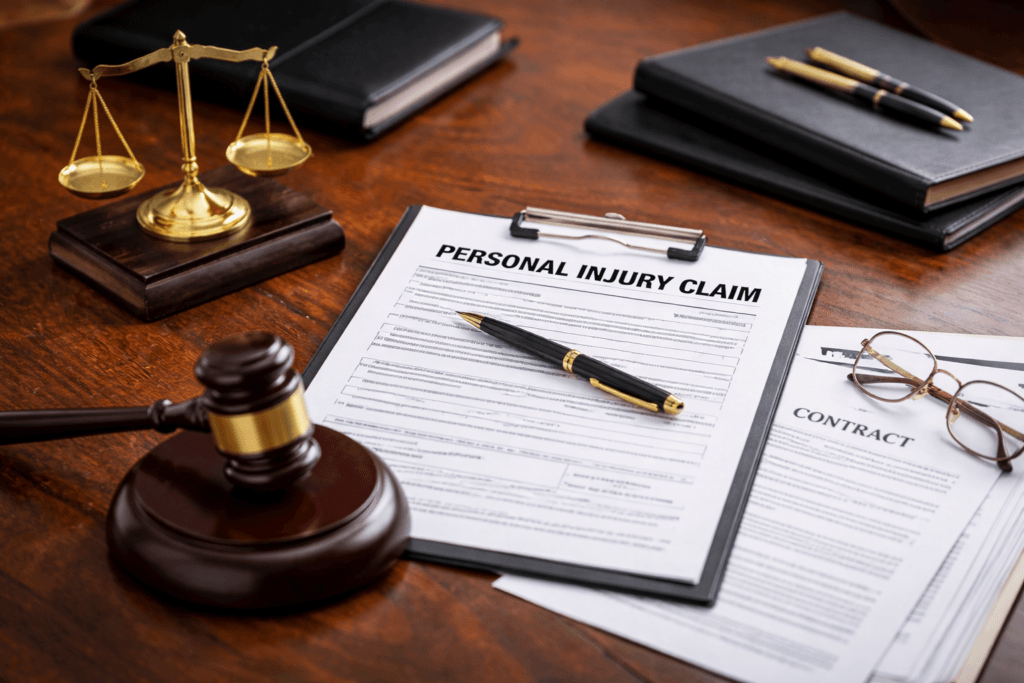
A personal injury claim arises when someone is injured as a result of another party’s negligence, whether through an auto accident, slip and fall, or workplace injury. These claims are filed to seek compensation for medical bills, lost wages, pain and suffering, and other damages resulting from the accident.

Steps to Take After an Accident
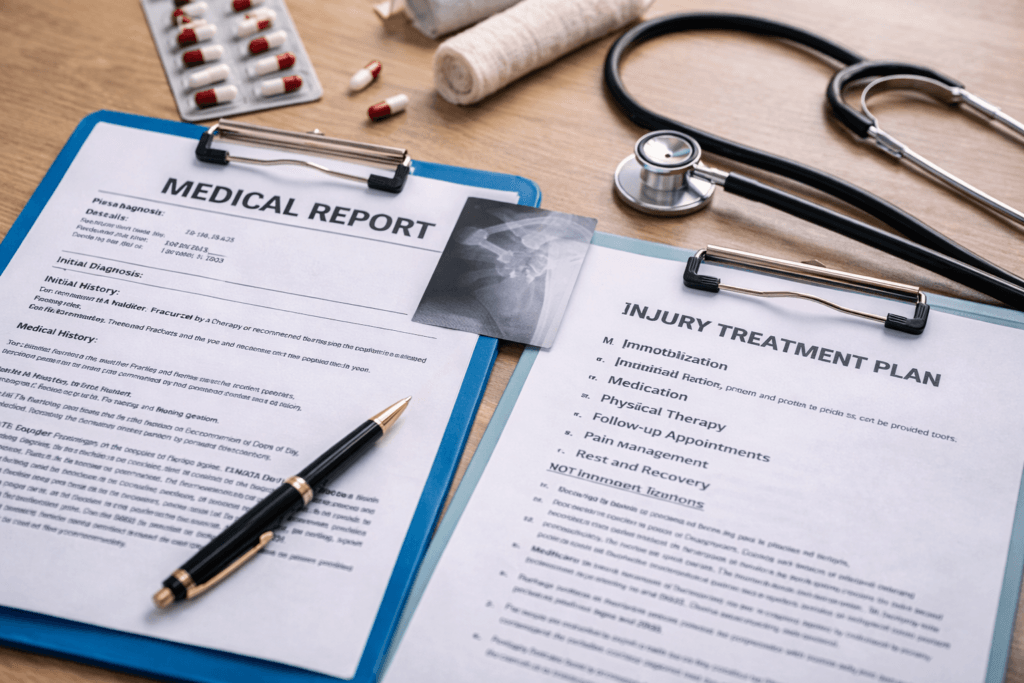
1. Seek Medical Attention: Even if your injuries seem minor, it’s essential to seek medical care. Injuries may not always be immediately apparent, and documentation from a healthcare provider can be critical for your case.
2. Report the Incident: Contact the appropriate authorities, whether it’s the police or your employer, depending on the type of accident. Make sure a report is filed, as this provides an official record of the incident.
3. Collect Evidence: Gather photos of the accident scene, contact information for witnesses, and any other relevant details. The more evidence you have, the stronger your case will be.
4. Consult an Experienced Personal Injury Lawyer: A qualified attorney can guide you through the complexities of personal injury claims and help you pursue the compensation you deserve.
Why You Need an Attorney for Your Personal Injury Claim
Personal injury law can be complex. Insurance companies often try to minimize payouts, and navigating legal procedures can be overwhelming. An attorney will ensure your rights are protected and help you negotiate with insurance companies or pursue litigation if necessary.
Types of Damages You May Be Entitled to
If you’ve been injured in an accident, you may be entitled to several types of damages:
- Medical Expenses: This includes all costs associated with treating your injuries, from emergency room visits to ongoing medical care.
- Lost Wages: If your injuries prevent you from working, you may be compensated for the income you’ve lost.
- Pain and Suffering: Compensation for the physical pain, emotional distress, and reduced quality of life caused by your injuries.
- Property Damage: If your property was damaged in the accident, such as your car, you may be entitled to repair or replacement costs.
How Comparative Negligence Affects Your Case
In many personal injury cases, both parties may share some level of fault. This is known as comparative negligence. In some states, this can reduce the amount of compensation you receive based on the percentage of fault assigned to you. Understanding how this applies to your case is essential for maximizing your potential settlement.
Common Personal Injury Cases
Personal injury claims cover a wide range of accidents, including:
- Car Accidents: The most common cause of personal injury claims, involving collisions with other vehicles, pedestrians, or property.
- Slip and Fall Accidents: These often occur in businesses or on someone’s property due to hazardous conditions.
- Workplace Injuries: Injuries sustained while on the job may entitle you to workers’ compensation or a personal injury claim.
- Product Liability: If a defective product causes harm, the manufacturer may be liable for injuries resulting from the defect.
Links to Explore
Relevant Resources
- Personal Injury Law Overview (Nolo)
- FindLaw – Personal Injury
- Justia – Personal Injury Law
- Martindale – Personal Injury Lawyers
- Lawyers.com – Personal Injury Legal Information
Conclusion
Personal injury claims are a vital tool for securing compensation after an accident, but it’s essential to understand the process and protect your rights. Consult with a skilled attorney to navigate the legal complexities and ensure the best possible outcome for your case.