Understanding the Growing Concern of Slip and Fall Accidents
Slip and fall accidents have always been a significant concern in personal injury law. However, as we move through 2026, these incidents are becoming increasingly prevalent across various sectors. Many people underestimate the severity of a simple fall, yet the statistics paint a much more serious picture. According to the National Safety Council, falls are now the second leading cause of workplace fatalities, accounting for approximately 16% of all occupational deaths. Furthermore, slip and fall accidents are responsible for 15% of all accidental deaths nationwide.
The impact of these accidents extends far beyond the initial physical injury. Victims often face mounting medical bills, extended periods away from work, and long-term rehabilitation. Consequently, understanding the current landscape of slip and fall accidents is crucial for anyone navigating public spaces or workplaces. This comprehensive guide will explore the latest trends, common causes, and legal implications surrounding these incidents in 2026.
High-Risk Industries and Environments
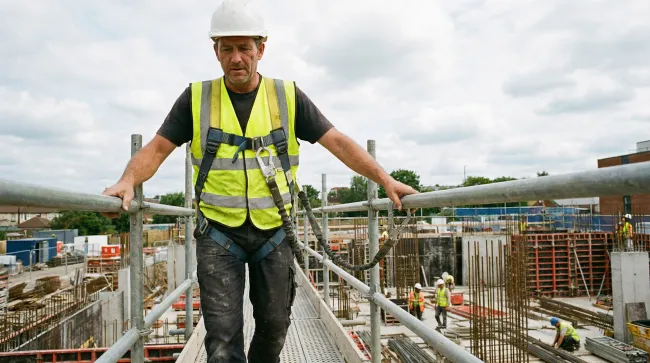
While a slip and fall can happen anywhere, certain environments present a significantly higher risk. The construction industry remains the most dangerous sector, with falls from height representing over 35% of all construction fatalities. Workers in this field frequently navigate uneven surfaces, scaffolding, and elevated platforms, making proper safety protocols essential.
Healthcare facilities also see a high volume of slip and fall incidents. Hospitals and clinics often have slick floors due to frequent cleaning, and the fast-paced nature of the work can lead to overlooked hazards. Additionally, patient transfers and mobility issues contribute to the risk. Retail spaces are another common location for these accidents. Customers frequently encounter trip hazards from misplaced merchandise, wet floors near entrances during inclement weather, and uneven flooring transitions.
Manufacturing and warehousing environments present their own unique challenges. Oil spills, cluttered walkways, and unguarded platforms are frequent culprits in these settings. Hospitality venues, including restaurants and hotels, must constantly monitor for wet kitchen floors, poorly lit stairwells, and housekeeping hazards. Recognizing these high-risk areas is the first step in preventing serious injuries.
Common Causes of Slip and Fall Injuries
Identifying the root causes of slip and fall accidents is vital for both prevention and establishing liability. One of the most frequent causes is wet or uneven flooring. Spills that are not promptly cleaned up, recently mopped floors without proper warning signs, and torn carpeting can all lead to devastating falls. Property owners have a legal duty to maintain safe premises, and failure to address these hazards can result in premises liability claims.
Poor lighting is another significant factor. When walkways, stairwells, or parking lots are inadequately illuminated, individuals cannot see potential obstacles. This lack of visibility dramatically increases the likelihood of a trip and fall. Furthermore, weather-related conditions, such as ice and snow, require diligent management by property owners to ensure safe access for visitors and employees.
Ladder misuse and lack of proper fall protection are particularly prevalent in workplace settings. In fact, fall protection violations have topped the Occupational Safety and Health Administration (OSHA) list of most cited violations for 15 consecutive years. Employers must provide adequate training and equipment to mitigate these risks. If you have been injured due to any of these hazards, consulting with an experienced personal injury lawyer is crucial to understanding your rights.
The Impact on an Aging Workforce
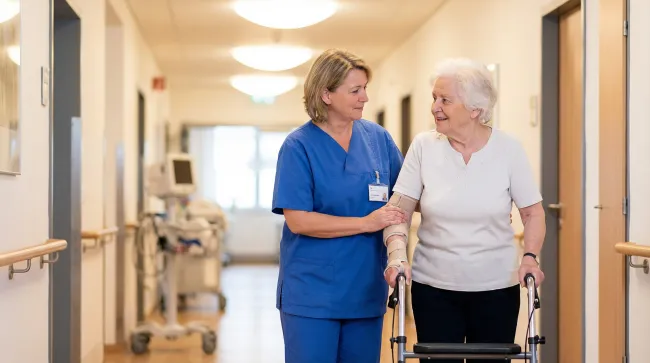
A notable trend in 2026 is the disproportionate effect of slip and fall accidents on older individuals. As the workforce ages, the number of older employees remaining in their jobs has increased. Unfortunately, this demographic is particularly vulnerable to severe injuries from falls. According to the Centers for Disease Control and Prevention (CDC), there has been a 60% increase in fall-related deaths among workers aged 65 and older over the past five years.
Older adults often experience changes in balance, reaction time, and bone density, making them more susceptible to fractures and traumatic brain injuries (TBIs) when a fall occurs. The recovery process for older victims is typically longer and more complicated, leading to higher medical costs and extended absences from work. Employers must adapt their safety protocols to accommodate this aging workforce, implementing age-friendly policies and targeted hazard assessments.
For families dealing with the aftermath of a severe fall involving an elderly loved one, the emotional and financial toll can be overwhelming. Seeking legal guidance can help secure the necessary resources for comprehensive medical care and long-term support. Understanding the statute of limitations for personal injury claims in California is essential to ensure your rights are protected.
Legal Implications and Establishing Liability
When a slip and fall accident occurs, determining liability is a complex process that requires thorough investigation. In premises liability cases, the injured party must prove that the property owner or manager was negligent. This typically involves demonstrating that the owner knew or should have known about the hazardous condition and failed to take reasonable steps to fix it or warn visitors.
For workplace accidents, the legal landscape is slightly different. Injured employees are generally entitled to workers’ compensation benefits, which cover medical expenses and a portion of lost wages, regardless of fault. However, if a third party, such as an equipment manufacturer or a subcontractor, contributed to the accident, the injured worker may also have grounds for a separate personal injury lawsuit.
Gathering evidence is critical in these cases. This includes taking photographs of the accident scene, securing witness statements, and obtaining official incident reports. Furthermore, proper medical documentation is paramount to linking the injuries directly to the fall. A skilled attorney can help navigate these complexities, ensuring that all necessary evidence is preserved and presented effectively.
The Role of OSHA and Regulatory Compliance
The Occupational Safety and Health Administration (OSHA) plays a vital role in regulating workplace safety and preventing slip and fall accidents. According to the Bureau of Labor Statistics, in fiscal year 2025, OSHA issued nearly 6,000 citations for fall protection violations alone. These enforcement efforts are designed to hold employers accountable and encourage proactive safety measures.
Employers face significant financial consequences for non-compliance. Serious violations can result in substantial fines, and willful or repeated violations can lead to penalties exceeding $165,000 per incident. Beyond the fines, companies with poor safety records often experience increased insurance premiums and potential placement in OSHA’s Severe Violator Enforcement Program.
Workers have the right to report unsafe conditions to OSHA without fear of retaliation. If you notice persistent hazards in your workplace, speaking up can prevent future accidents. Additionally, understanding the common mistakes to avoid after a personal injury can significantly impact the success of any subsequent legal claims.
Prevention Strategies for the Future
Preventing slip and fall accidents requires a proactive approach from both property owners and employers. Conducting regular hazard assessments is the foundation of any effective safety program. By identifying potential risks before they cause harm, organizations can implement targeted solutions.
Investing in comprehensive training is equally important. Employees must be educated on proper safety protocols, including the correct use of ladders and fall protection equipment. Furthermore, maintaining clean and well-lit environments is a simple yet highly effective way to reduce trip hazards. Promptly addressing spills and ensuring adequate lighting in all areas can prevent countless injuries.
The adoption of new technologies is also playing a growing role in accident prevention. According to the National Institute for Occupational Safety and Health (NIOSH), wearable fall detection devices, digital safety checklists, and real-time hazard monitoring systems are becoming increasingly common in high-risk industries. These tools provide immediate alerts and valuable data to help organizations continuously improve their safety measures.
Seeking Legal Representation After a Fall
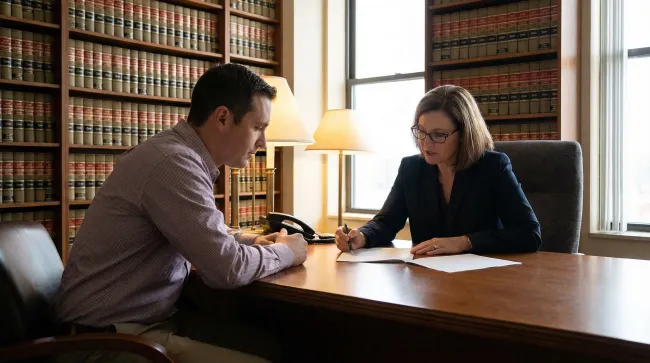
If you or a loved one has been injured in a slip and fall accident, seeking professional legal representation is crucial. The physical, emotional, and financial burdens can be immense, and navigating the legal system alone is often overwhelming. An experienced personal injury attorney can evaluate the details of your case, identify all liable parties, and fight for the compensation you deserve.
From negotiating with insurance companies to representing you in court, a dedicated legal team will handle every aspect of your claim. They understand the tactics used by defense attorneys and insurance adjusters to minimize payouts and will work tirelessly to protect your interests. Knowing how to choose the right personal injury lawyer is the first step toward securing a favorable outcome.
Do not let a preventable accident derail your life. By understanding your rights and taking decisive action, you can hold negligent parties accountable and secure the resources needed for a full recovery. If you need assistance, you can learn more about how to file a personal injury claim in California and begin the process of seeking justice today.