
Self-driving vehicles are changing the way people think about transportation, safety, and responsibility on the road. While autonomous driving technology is designed to reduce human error, accidents involving automated vehicles continue to raise important legal questions.
When a crash involves a self-driving vehicle, determining liability may be more complicated than a traditional car accident. Responsibility may involve the driver, vehicle manufacturer, software developer, technology provider, or another party connected to the vehicle system.
How Self-Driving Vehicles Work
Autonomous vehicles rely on advanced technology to understand their surroundings and make driving decisions. These systems use cameras, radar, sensors, artificial intelligence, and computer software to identify road conditions and respond to potential hazards.
According to the National Highway Traffic Safety Administration, automated driving systems are being developed with the goal of improving transportation safety and reducing crashes caused by human mistakes.
However, technology failures, software errors, sensor limitations, or improper use can still contribute to accidents.
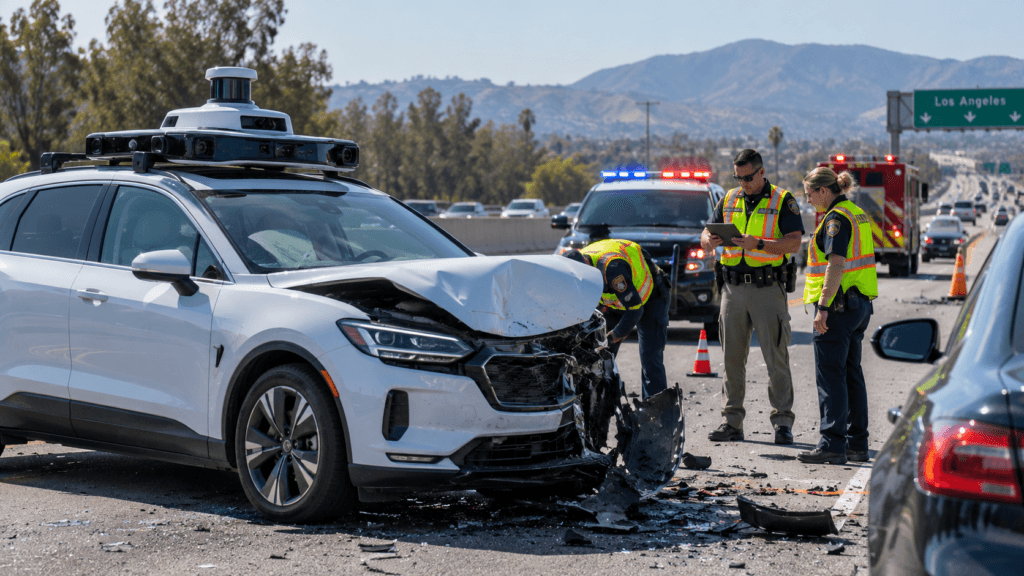
Who Can Be Responsible After an Autonomous Vehicle Crash?
Traditional car accidents usually focus on driver behavior. A distracted, speeding, or impaired driver may be responsible for causing a collision.
Autonomous vehicle crashes can involve additional parties, including:
- The Vehicle Driver: Drivers may still have responsibilities depending on the vehicle’s level of automation.
- The Vehicle Manufacturer: Companies may face liability if a vehicle component or system defect contributed to a crash.
- Software Developers: Errors in automated driving software may create potential liability issues.
- Technology Suppliers: Companies providing sensors, cameras, or computer systems may be involved.
Determining responsibility requires examining evidence from multiple sources.
The Role of Vehicle Data After a Crash
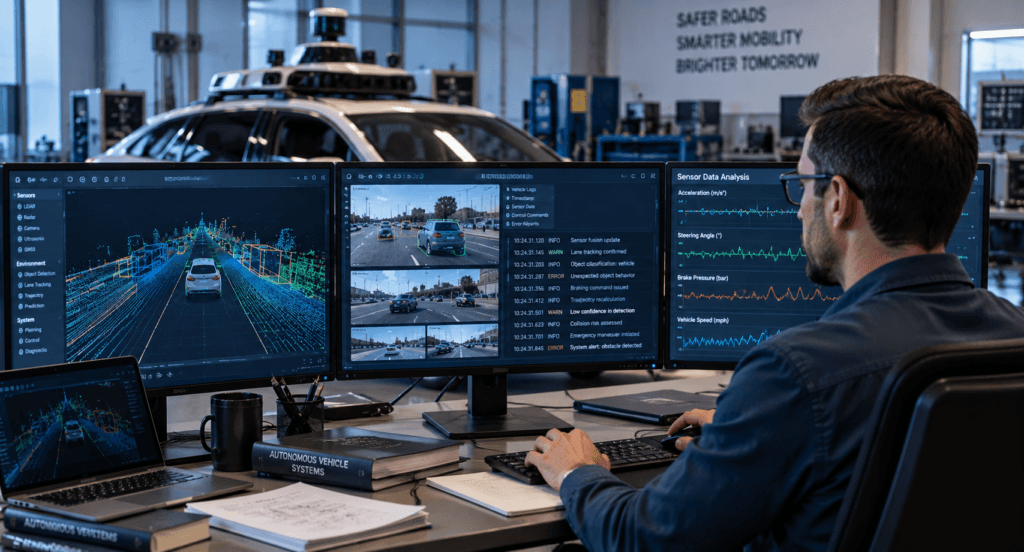
Evidence is one of the most important parts of any accident investigation. Autonomous vehicles generate significant amounts of data that may help explain what happened before a collision.
Investigators may review:
- Vehicle sensor information
- System warnings and alerts
- Camera recordings
- Software performance logs
- Driver interaction records
This type of digital evidence is similar to other modern accident evidence sources, including AI dash cam footage. You can learn more about technology-based evidence in our article: AI Dash Cams and Accident Reconstruction in Personal Injury Claims.
Product Liability and Autonomous Vehicle Accidents
Some self-driving vehicle accidents may involve product liability claims. These claims generally focus on whether a defective product, design issue, or manufacturing problem caused an injury.
Examples may include:
- Faulty sensors failing to detect obstacles
- Software errors affecting vehicle decisions
- Defective safety systems
- Inadequate warnings or instructions
The Consumer Product Safety Commission provides information about product safety standards and recalls that may be relevant when evaluating defective products.
Challenges in Proving Fault
One of the biggest challenges in autonomous vehicle cases is determining exactly why the crash occurred.
A traditional accident investigation may focus on driver actions. However, autonomous vehicle cases require reviewing complex technology systems that may involve thousands of lines of software code and multiple connected components.
Experts may need to analyze vehicle data, engineering records, and system performance to determine whether a failure contributed to the accident.
How Insurance Claims May Change
Autonomous vehicles may also change the way insurance companies handle accident claims. As vehicle technology advances, insurers may need to consider whether crashes result from driver negligence or technology-related failures.
Insurance companies may review:
- Vehicle system reports
- Manufacturer records
- Accident reconstruction data
- Maintenance history
Understanding evidence collection is important in every injury claim. Read our guide about “The Importance of Medical Documentation in Injury Claims”.
Privacy Issues With Autonomous Vehicle Data
Autonomous vehicles collect large amounts of information about driving behavior, locations, and vehicle operation. This creates privacy concerns regarding who can access and use that information after a crash.
Organizations such as the Federal Trade Commission continue addressing privacy concerns involving consumer technology and personal information.
The Future of Autonomous Vehicle Injury Claims
As autonomous vehicles become more common, courts and lawmakers will continue developing rules regarding liability and responsibility.
Future injury claims may involve more technology experts, software analysis, and digital evidence than traditional vehicle accident cases.
The growth of autonomous vehicles means personal injury law must continue adapting to new forms of transportation technology.
Additional Resources
- National Highway Traffic Safety Administration
- Insurance Institute for Highway Safety
- U.S. Department of Transportation
- Justia Personal Injury Resources
- Nolo Personal Injury Law Guide
Conclusion
Self-driving car accidents introduce new legal challenges involving technology, software, and responsibility. While autonomous vehicles may improve road safety, crashes involving these systems require careful investigation to determine who may be responsible.
As autonomous technology continues developing, understanding liability and evidence will remain an important part of personal injury law.