
The roads of 2026 look vastly different than they did just a few years ago. With Level 4 autonomous vehicles and robotaxis now operating on public streets in major cities, the future of transportation has arrived. However, this technological leap brings a complex new legal landscape. When a self-driving car causes a crash, determining who is legally responsible is no longer as simple as blaming the driver. Autonomous vehicle accidents require a deep understanding of product liability, corporate negligence, and emerging laws surrounding artificial intelligence.
If you or a loved one has been injured in a crash involving a self-driving car, you need to know your rights. The traditional rules of the road are shifting, and holding massive tech companies accountable requires specialized legal knowledge. This guide explores how liability is determined in 2026 and what steps you must take to protect your claim.
The Shift from Driver Negligence to Corporate Liability
In a standard car crash, liability usually falls on the human driver who acted carelessly—perhaps by speeding, texting, or running a red light. But what happens when there is no human driver? In fully autonomous rideshares, liability shifts away from individual driver error and moves toward system-level corporate failures.
This shift means that autonomous vehicle accidents are often treated more like defective product liability claims than standard traffic collisions. Courts must examine how the vehicle was designed, how the software made decisions, and whether the company ignored foreseeable risks before deploying the technology on public roads.
Who Can Be Held Liable in a Self-Driving Car Crash?
Because self-driving cars are complex machines built by multiple corporations, a single accident can have several at-fault parties. An experienced personal injury lawyer will investigate the following entities to determine liability:
1. The Vehicle Manufacturer
The company that designed and built the car can be held strictly liable if a hardware defect caused the crash. This falls under product liability law. If the vehicle’s braking system failed, or if the steering column locked up due to a manufacturing error, the automaker is responsible for the resulting injuries.
2. Software and AI Developers
The “brain” of a self-driving car is its artificial intelligence software. If the AI algorithm was flawed, failed to recognize a pedestrian, or made an unsafe driving decision, the software developer may be liable for “algorithmic negligence.” Proving this requires showing that the programming was defective or that the system was not trained on adequate real-world data.
3. Component Suppliers
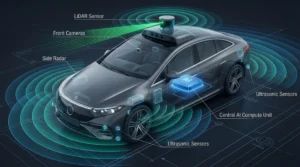
Autonomous vehicles rely on a massive array of sensors, including LiDAR, radar, and high-definition cameras, to “see” the road. If a specific component fails—for example, if a LiDAR sensor malfunctions in the rain—the third-party company that manufactured that specific sensor could share the blame.
4. Rideshare Platforms and Fleet Operators
Companies operating fleets of robotaxis have a legal duty to maintain their vehicles and deploy them safely. If a fleet operator sends vehicles out during severe weather conditions when they know the sensors are unreliable, or if they fail to install critical software updates, they can be sued for corporate negligence. This is similar to the liability issues seen in standard rideshare accident claims.

The Critical Importance of Digital Evidence
Proving fault in autonomous vehicle accidents requires entirely different evidence than a standard crash. While witness statements and police reports are still important, the most crucial evidence is locked inside the vehicle’s computer systems. According to legal experts on AV liability, these vehicles generate a massive stream of highly technical digital data [1].
Key digital evidence includes:
- Event Data Recorders (EDR): Similar to an airplane’s black box, this records speed, braking, and steering inputs in the seconds before a crash.
- Sensor and Camera Logs: Raw footage and data showing exactly what the car’s LiDAR and cameras detected leading up to the impact.
- Telemetry Feeds: Continuous data streams sent from the car to the fleet operator’s headquarters.
- Software Version Histories: Records showing whether the car was running the most up-to-date and safe version of its driving algorithm.
The Race Against Data Deletion (Spoliation)
Tech companies have strict data retention policies, and sensor logs are often automatically deleted or overwritten within days or even hours of an incident. If this digital evidence is destroyed, proving your case becomes incredibly difficult.
This is why you must act immediately. A skilled attorney will immediately send a “spoliation letter” or legal preservation demand to the tech company and manufacturer. This legally forces them to preserve all data related to your crash. Failing to secure this data is one of the most common mistakes in personal injury cases involving advanced technology.
What to Do After an Autonomous Vehicle Crash
If you are involved in a collision with a self-driving car, the steps you take at the scene are vital to protecting your future claim:
- Call the Police: Ensure an official accident report is filed. Note on the report that the other vehicle was operating autonomously.
- Seek Medical Attention: Even if you feel fine, get checked by a doctor immediately. Proper medical documentation is the foundation of any successful injury claim.
- Document the Scene: Take extensive photos of the vehicle damage, the road conditions, and specifically the sensors and cameras on the autonomous vehicle.
- Identify the Operator: Note the company name on the vehicle (e.g., Waymo, Cruise) and any identifying fleet numbers.
- Do Not Speak to Corporate Representatives: Tech companies may deploy rapid-response teams to the crash site. Do not give them a recorded statement or sign any documents without legal representation.

Seeking Compensation for Your Injuries
Victims of autonomous vehicle accidents are entitled to the same types of compensation as victims of traditional car crashes. This includes recovery for medical bills, lost wages, property damage, and pain and suffering. In cases where the crash caused severe trauma, victims may also pursue compensation for emotional harm and mental health impacts.
However, battling massive technology corporations and their teams of defense lawyers is not something you should attempt alone. These companies will fight aggressively to protect their proprietary technology and their public image. You need a legal team with the resources to hire software experts, accident reconstructionists, and engineers who can decipher the vehicle’s code and prove corporate negligence.
If you have been injured by a self-driving car, do not wait for the evidence to disappear. Contact our office today for a free consultation to discuss your legal options and ensure your rights are protected in this new era of transportation.
References
[1] Pacin Levine, P.A. “Autonomous Vehicle Accidents: Who Is Liable and How to Seek Compensation.” https://pl-law.com/
[2] Arshakyan Law Firm. “Autonomous Vehicle Accidents in California: Understanding Liability.” https://www.arshakyanlaw.com/
[3] Bailey & Galyen. “The 2026 AI Liability Shift: Who Pays for a Self-Driving Rideshare Crash.” https://www.thetexasattorney.com/
[4] Reuters. “Carmakers push toward ‘eyes-off’ driving, raising questions of safety, liability.” https://www.reuters.com/
[5] TrialProven. “Data Analysis: Fault in Autonomous Vehicle Accidents.” https://www.trialproven.com/