
An e-bike battery fire can turn an ordinary charging session into a serious emergency. A lithium-ion battery may overheat, release toxic smoke, or ignite nearby belongings. When someone suffers burns, smoke inhalation, or another injury, the next question is often who may be legally responsible.
Liability for e-bike battery fire injuries depends on what caused the incident. A defective battery, incompatible charger, improper repair, or unsafe building condition may lead to different legal questions. Understanding the potential causes and preserving reliable evidence can help injured people evaluate their options.
Why E-Bike Battery Fires Are a Major Safety Concern in 2026
E-bikes and electric scooters offer convenient transportation, but their rechargeable batteries can create serious hazards when damaged, defective, or improperly charged. The U.S. Consumer Product Safety Commission (CPSC) warns that micromobility devices require compatible chargers, approved battery packs, and careful charging practices.
Recent warnings illustrate the concern. On March 19, 2026, the CPSC warned consumers about certain Ridstar e-bikes, citing 11 reported fires, including a burn injury and five reports of smoke inhalation. That warning concerned specific models, not every e-bike on the market.
The problem also affects people who do not own an e-bike. In an October 28, 2026, consumer alert about battery fires, New York’s attorney general cited fire department figures of 401 lithium-ion battery fires, 74 injuries, and six deaths in New York City during 2026 as of that report. These are local figures, not national totals.
What Causes an E-Bike Battery to Catch Fire?
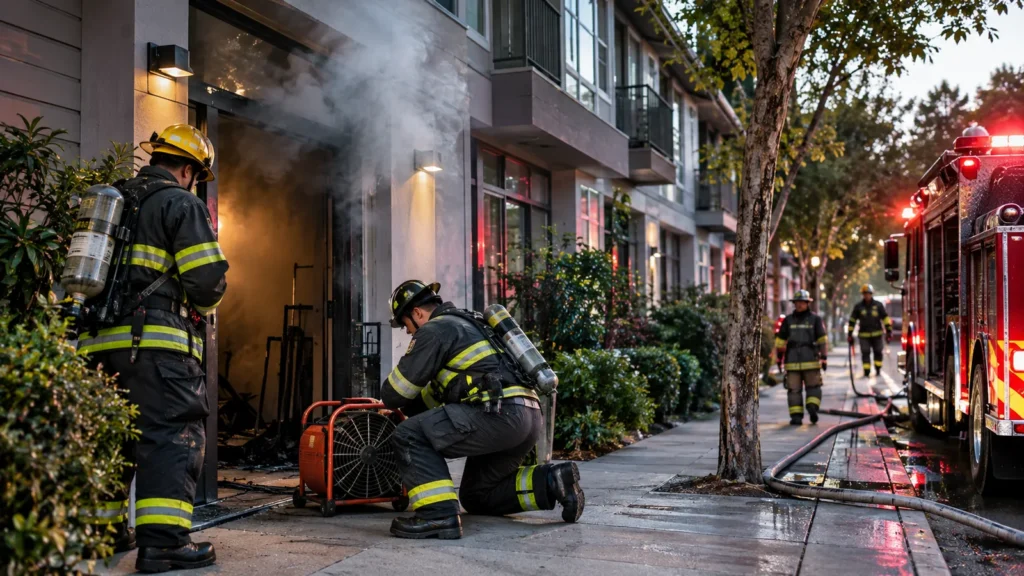
Many dangerous battery incidents involve thermal runaway, a process in which overheating inside a cell triggers further heat and potentially rapid fire spread. The cause must be investigated rather than assumed. An electrical failure, physical damage, manufacturing problem, or unsuitable charging equipment may be relevant.
Possible contributing factors include damaged battery cells, faulty internal connections, defective battery-management electronics, incompatible chargers, water exposure, and unauthorized modifications. The CPSC specifically cautions against unapproved universal chargers, even when the connector physically fits.
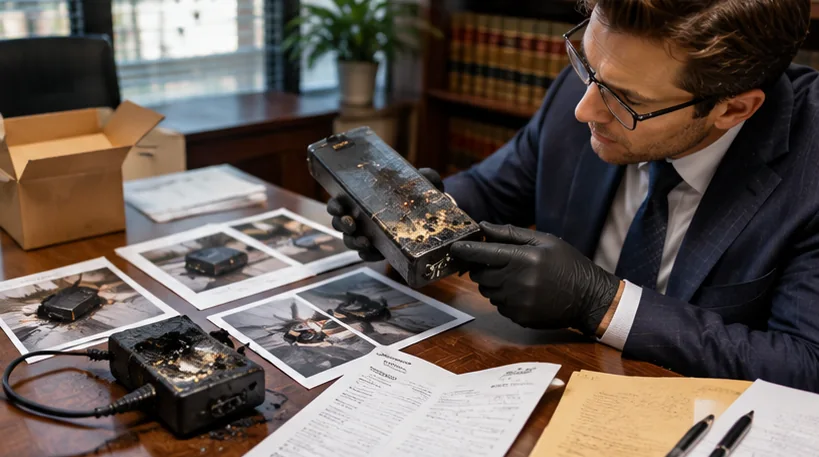
A fire does not automatically establish that a product was defective. Investigators may need to examine the battery, charger, wiring, usage history, photographs, and the fire department’s findings to determine what happened.
Who May Be Liable for E-Bike Battery Fire Injuries?
Battery Manufacturers and E-Bike Companies
A manufacturer may face a product liability claim if a defective design, manufacturing flaw, or inadequate warning caused an injury. For example, a battery that overheats during foreseeable, ordinary use may warrant investigation into its design and production. The outcome depends on the governing law and the available proof.
Companies involved in distributing or selling the product may also be relevant, depending on the jurisdiction and their role. For a broader explanation, see our guide to defective product liability and consumer safety claims.
Charger Suppliers and Repair Businesses
If an incompatible replacement charger caused overheating, investigators may examine its specifications, warnings, and sale history. A repair business could also face scrutiny if an unsafe modification, improperly installed component, or negligent repair contributed to the fire. Responsibility does not automatically transfer to a repairer simply because repairs occurred.
Property Owners and Other Parties
When a battery fire occurs in an apartment or shared building, additional questions may concern blocked exits, malfunctioning alarms, or other dangerous conditions. A property owner’s potential responsibility generally depends on applicable duties, knowledge of a hazard, causation, and local law. The e-bike owner or user may also bear responsibility if their conduct contributed to the incident.
What Injuries Can a Lithium-Ion Battery Fire Cause?
Battery fires can cause thermal burns, smoke inhalation, breathing difficulties, eye irritation, and injuries sustained while escaping. Severe cases may require emergency treatment, surgery, rehabilitation, or ongoing monitoring. A fire may also disrupt housing, employment, and normal daily activities.
Medical records help connect treatment to the incident and document recovery. Keep hospital discharge instructions, specialist reports, prescriptions, therapy records, and bills. Our article on medical documentation in injury claims explains why complete treatment records matter.
What Should You Do After an E-Bike Battery Fire?
Safety comes first. If a battery is smoking, sparking, or burning, leave the area, warn others, and call emergency services. Do not attempt to handle a hot or damaged battery or re-enter a dangerous building to gather evidence. The FDNY’s lithium-ion battery safety guidance addresses warning signs and safe handling.
Once authorities confirm that it is safe, consider the following steps:
- Seek medical evaluation for burns, smoke exposure, breathing symptoms, or other injuries.
- Keep the fire incident number and request available official reports.
- Save purchase receipts, order confirmations, warranty information, and the product’s model number.
- Preserve pre-fire photos, charging records, messages, and any relevant surveillance footage.
- Document damaged property, temporary housing expenses, lost work, and treatment costs.
- Ask investigators about safe evidence preservation before moving or disposing of any damaged components.
Do not store a potentially hazardous battery at home merely to preserve evidence. Product-safety notices may require special disposal procedures. Follow fire officials’ instructions, and coordinate any evidence handling with qualified professionals.
How Can You Prove a Battery Defect Caused the Injury?
Claims often turn on the difference between a fire that happened near an e-bike and one caused by its battery or charging equipment. Investigators may examine the origin of the fire, physical components, electrical connections, manufacturer specifications, and whether the battery had been altered.
Useful evidence may include fire marshal findings, witness accounts, store receipts, packaging, recall or warning notices, expert testing, and medical documentation. Our article about the role of evidence in personal injury cases explains how different records can support a liability investigation.
In March 2026, the National Institute of Standards and Technology published research highlighting the challenges of tracking lithium-ion battery fires across incomplete data sources. That difficulty reinforces why incident-specific investigation matters.
What Compensation May Be Available After a Battery Fire?
Depending on the facts and state law, an injured person may seek compensation for medical expenses, lost earnings, future treatment, property damage, and other proven losses. Non-economic damages, such as physical pain and the effects of lasting injuries, may also be available. The amount depends on liability, causation, injury severity, insurance, and applicable law.
Not every accident leads to a successful claim. Insurance coverage may vary between homeowners, renters, business, and product liability policies. An investigation may involve more than one insurer or potentially responsible party. Learn about non-economic damages in personal injury cases for more context.
Are E-Bike Battery Safety Rules Changing?
Regulators continue examining battery hazards. On June 22, 2026, the CPSC announced a proposed mandatory battery safety standard for micromobility products. It was a proposal open for public comment, not proof that a final nationwide rule had taken effect.
Consumers should check official safety notices for their specific product and follow manufacturer-approved charging instructions. If a device is covered by a CPSC warning, follow the agency’s product-specific instructions instead of relying on ordinary battery disposal methods.
Frequently Asked Questions
Can I pursue a claim if I was injured by someone else’s e-bike battery?
Potentially. A person does not always need to own the battery to have a claim. The legal analysis focuses on who owed a duty or supplied a defective product, what caused the fire, and how the person was injured.
Does a recall automatically prove liability?
No. A recall or safety warning can be important evidence, but a claim still requires analysis of the product, the specific event, causation, and resulting losses.
What if the fire happened in California?
California law may affect the types of claims, responsible parties, and filing deadlines. Our overview of how to file a personal injury claim in California offers additional background. Anyone facing a potential deadline should seek jurisdiction-specific advice promptly.
Final Thoughts
E-bike battery fire injuries can involve product defects, unsafe chargers, repairs, or building conditions. Identifying the responsible party requires careful investigation, not assumptions based on the fire alone. Prompt medical care, safe evidence preservation, and official product-safety information can help clarify what happened and which legal options may apply.
This article provides general information and is not legal advice. Liability and filing requirements depend on the applicable jurisdiction and individual facts.