
Wearable devices have become part of everyday life. Millions of people use smartwatches, fitness trackers, and health-monitoring devices to track steps, heart rate, sleep patterns, and physical activity. In 2026, these devices are doing more than helping people stay healthy. They are increasingly becoming valuable sources of evidence in personal injury claims.
Data from wearable technology may provide a detailed picture of a person’s physical condition before and after an accident. Attorneys, insurance companies, and courts are paying closer attention to information collected by devices such as Apple Watch, Fitbit, Garmin, Samsung Galaxy Watch, and other health trackers.
This growing trend is changing how evidence is gathered and analyzed in injury cases.
What Is Wearable Technology Evidence?
Wearable technology evidence refers to information collected by devices worn on the body. These devices continuously record data related to movement, activity levels, heart rate, sleep quality, and other health metrics.
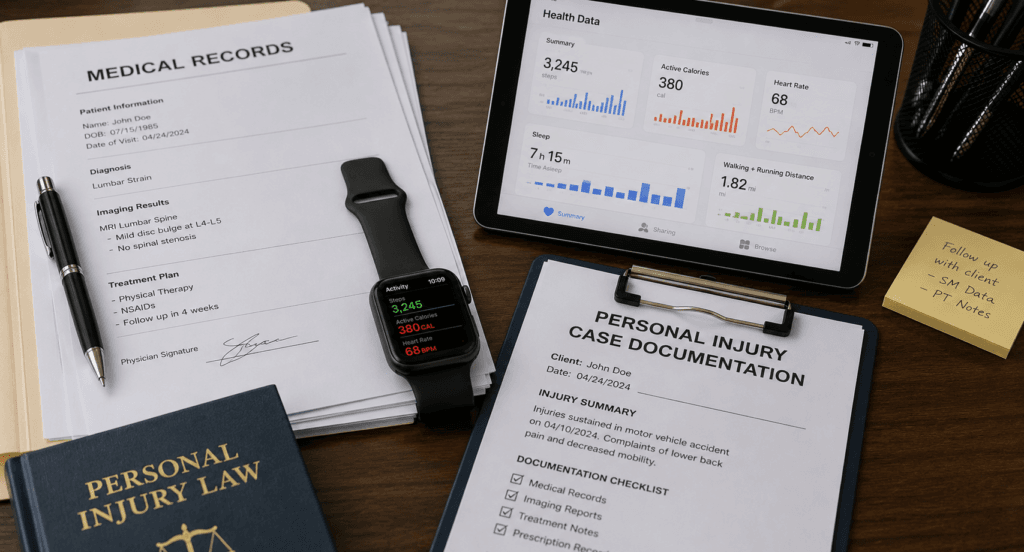
After an accident, this information may help create a timeline showing how an injury affected a person’s daily life.
For example, wearable data may show:
- Changes in physical activity levels
- Reduced mobility following an injury
- Abnormal heart rate patterns
- Interrupted sleep caused by pain
- Recovery progress over time
Why Wearable Data Is Becoming More Important
Personal injury claims often rely on medical records, witness statements, photographs, and accident reports. Wearable technology adds another layer of objective information.
Unlike personal recollections, wearable devices automatically collect data throughout the day. This information may provide additional context when evaluating how an injury affects someone’s ability to work, exercise, or perform everyday tasks.
The increasing popularity of wearable technology means that more accident victims have access to valuable information that may support their claims.

Examples of Wearable Data in Injury Cases
Several types of injury claims may involve wearable technology evidence.
A person injured in a car accident may show that their daily step count dropped significantly after the collision. Someone suffering from chronic pain may use sleep tracking data to demonstrate ongoing disruptions caused by their injuries.
In some cases, heart rate information may show elevated stress levels immediately following a traumatic event.
Wearable devices may also help establish a person’s activity level before an accident, creating a comparison that highlights the impact of the injury.
How Attorneys Use Wearable Technology Evidence
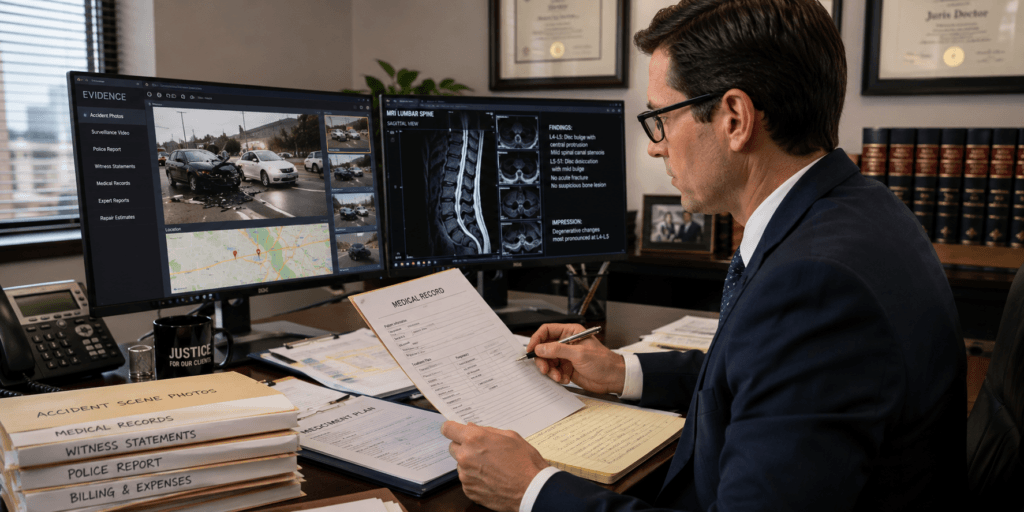
Attorneys may review wearable device data alongside medical records and other documentation. Together, these sources may create a more complete picture of an injury and its effects.
For example, if medical records indicate a serious leg injury, activity tracking data may help illustrate reduced movement during recovery.
Documentation remains important in every injury claim. You may also find our article on The Importance of Medical Documentation in Injury Claims helpful when learning about evidence collection.
Potential Challenges With Wearable Data
Although wearable technology can provide useful information, it is not perfect.
Devices may occasionally record inaccurate readings. Data can be affected by device settings, battery limitations, or inconsistent usage. Questions may also arise regarding data authenticity and interpretation.
Because of these factors, wearable evidence is often evaluated alongside other forms of evidence rather than being relied upon by itself.
Privacy Considerations
Wearable devices collect large amounts of personal information. This raises important privacy considerations.
In some cases, parties involved in litigation may seek access to wearable data. Courts may evaluate whether the information is relevant to the issues being disputed.
Individuals should understand that data stored on their devices could become part of the legal discovery process under certain circumstances.
The Growing Role of Technology in Injury Claims
Wearable devices are only one example of how technology is influencing modern personal injury cases.
Other technologies increasingly used as evidence include:
- Vehicle event data recorders
- Surveillance footage
- Smartphone location data
- Dash cameras
- Home security systems
- Autonomous vehicle sensors
You may also be interested in our article about Autonomous Vehicle Accidents Liability Claims in 2026.
What Courts Are Seeing in 2026
Courts across the country are seeing an increase in digital evidence. Wearable technology data is becoming more common as attorneys seek additional ways to document injuries and damages.
As technology continues to evolve, judges and legal professionals are developing new approaches to evaluating electronic evidence.
The trend reflects a broader movement toward data-driven documentation in personal injury litigation.
Additional Resources
For more information about injury evidence and consumer technology, visit these resources:
- National Highway Traffic Safety Administration
- Centers for Disease Control and Prevention Injury Center
- Consumer Reports
- Federal Communications Commission
- National Institute of Standards and Technology
Looking Ahead
Wearable technology continues to evolve rapidly. Future devices may collect even more detailed information regarding movement, health, and physical activity.
As adoption grows, wearable data may play an increasingly important role in documenting injuries and supporting personal injury claims.
While wearable technology may not replace traditional forms of evidence, it is becoming a valuable tool for understanding how injuries affect everyday life.
Conclusion
Wearable technology is changing the way injury claims are documented and evaluated. Information collected by smartwatches and fitness trackers may help illustrate the impact of an injury, support medical evidence, and provide additional context during legal proceedings.
As technology continues to become part of daily life, wearable data is likely to remain an important topic in personal injury law.
Call (888) 488-1391 or complete the “Do I Have A Case?” form to schedule a free initial consultation.